Swiss Water Process Coffee: A Natural Decaf Solution
Swiss Water Process Coffee: A Natural Decaffeination Solution
Follow along with the full video on the @caliohcoffee YouTube channel.
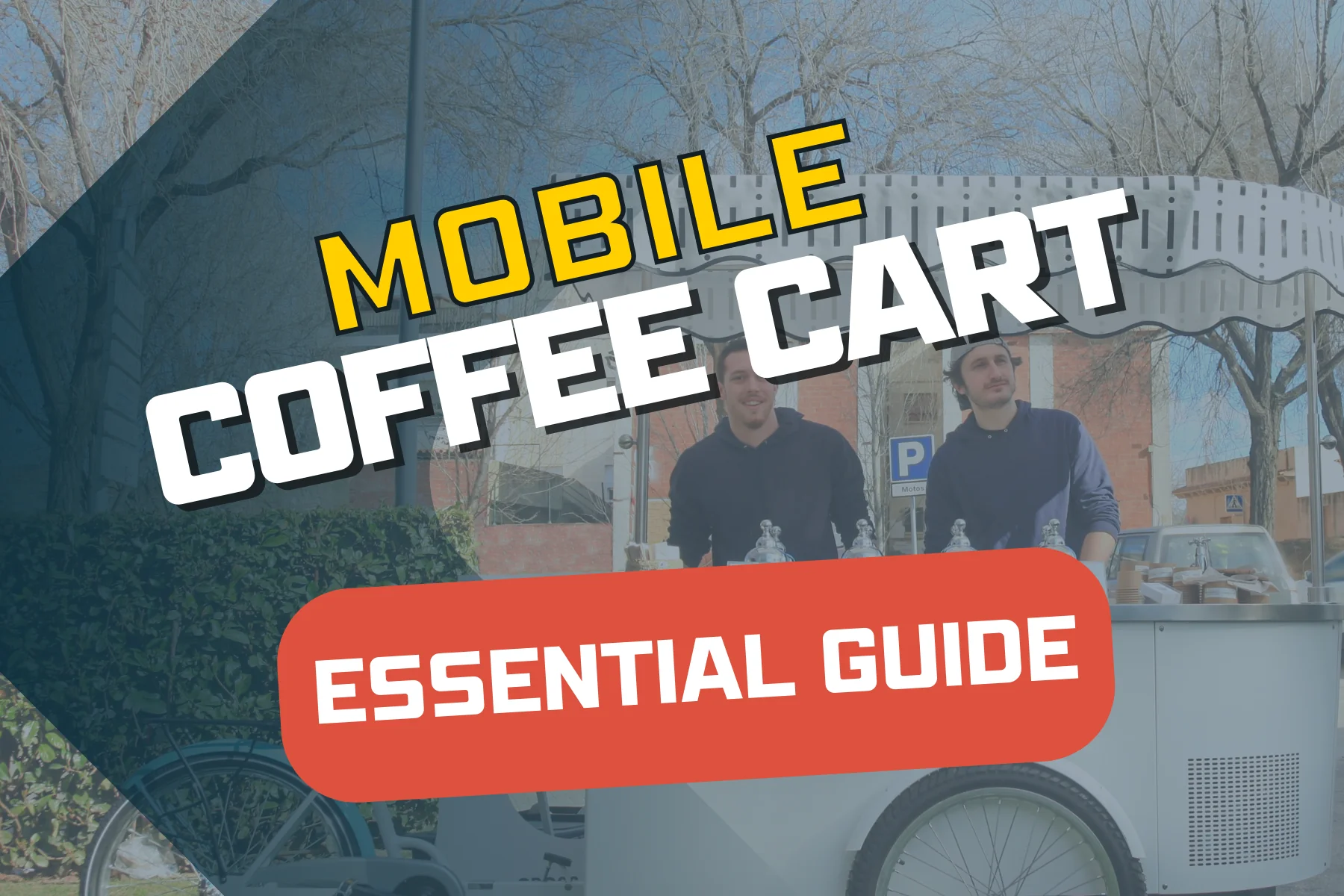
If you’re an aspiring coffee cart operator, understanding the legal landscape is crucial to your success. Senate Bill 972 (SB 972) in California provides a useful framework for mobile food vendors, and its principles can be applied more broadly. While this guide focuses on SB 972, operators in other states should check their local permitting laws, which may already allow street vending. Here’s a detailed breakdown of what SB 972 entails and how it can help you set up your mobile coffee business.
What is Senate Bill 972?
SB 972 was introduced in California to decriminalize sidewalk food vending and create a new regulatory framework, easing previous restrictions on mobile food operations. This law replaces criminal penalties with administrative citations, reducing the legal risks for vendors and encouraging more to operate within the legal framework.
Key Provisions of SB 972
1.Decriminalization of Sidewalk Food Vending:
SB 972 removes misdemeanor or infraction offenses and replaces them with administrative citations, making it less risky for vendors to operate.
2.Creation of Compact Mobile Food Operations (CMFOs):
Coffee lovers often find themselves in need of a caffeine break, whether for health reasons or to enjoy a cup of joe later in the day without the jitters. While there are various methods to decaffeinate coffee, one process, in particular, stands out for its natural and chemical-free approach: Swiss Water Process coffee.
3.Limited Food Preparation:
Limited food preparation includes activities like heating, blending, steaming, and assembly of non-prepackaged food. Preparing coffee and lattes with milk or milk alternatives falls under this category, provided certain conditions are met.
Frequently Asked Questions for CMFOs
1. What is a Compact Mobile Food Operation (CMFO)?
A CMFO is a mobile food facility operating from non-motorized conveyances, limited to non-food or limited food preparation.
2. What does limited food preparation mean?
Limited food preparation includes:
Preparing beverages for immediate service in response to individual consumer orders.
Heating, blending, steaming, and assembly of non-prepackaged food.
3. Can I make lattes and coffee drinks with milk or milk alternatives?
Yes, you can prepare lattes and coffee drinks with milk or milk alternatives under the limited food preparation category. However, there are specific requirements:
Cow’s Milk: Requires mechanical refrigeration to keep it at or below 41°F.
Milk Alternatives: While generally shelf-stable, they should be kept cool for best results. You can use an ice chest, but a small refrigerator is recommended to avoid dealing with ice and melted water.
4. What equipment is required for a CMFO focusing on coffee and lattes?
– Espresso Machine: Ensure it is NSF/ETL Sanitation certified.
Grinder: Also should be NSF/ETL Sanitation certified.
Hand Wash Sink: Required for handling open foods. Must be supplied with 5 gallons of fresh water via an NSF-approved pump and have a minimum of 7 ½ gallons of drain water storage. Multiple containers can be used for the drain.
Refrigeration: Necessary for cow’s milk. A small refrigerator can be used for both cow’s milk and milk alternatives.
Power Supply: Ensure your electrical setup can handle the equipment, especially the espresso machine.
5. How do I apply for a permit for a new or modified CMFO?
Submit plans for review and approval to the local enforcement agency. Many local public health agencies have incredible resources. The permit application for Ventura County is used universally across other Southern California counties, and the pictograph guide provided by LA County is a great resource.
6. How much does the permit cost?
In LA County, a coffee cart is categorized as medium risk. Medium risk CMFO annual permits cost $299 per year. However, the plan check fee is currently $633. You can save money on the plan check fee by applying for a permit using a pre-approved plan. Something like this is available from a cart manufacturer who has applied for a universal plan. In this scenario, the cost is reduced to $285. Check with your local health agency for the plan check and permit fee. It is worth noting that once you’re certified in one county, additional certification in neighboring counties is often discounted by up to half of the cost.
7. What is a commissary and why is it needed?
A commissary services mobile food facilities, providing food and equipment storage, preparation areas, and cleaning facilities. CMFOs must operate in conjunction with an approved commissary or facility.
8. What are my options for a commissary?
Options include mobile food facility commissaries, commercial kitchens, restaurants, or your own permitted cottage food operation (CFO) or microenterprise home kitchen operation (MEHKO). Partnering with a local coffee shop or permitted coffee roaster who supplies your beans could be a mutually beneficial option.
9. Can I prepare food from home for my CMFO?
Yes, if your home has a CFO Class B or MEHKO permit. Otherwise, home food preparation is not allowed.
Search
Recent Post
Essential Guide for Coffee Cart Operators: Navigating New Laws
Contact Details
- info@example.com
- (+800) 1234 5678 90
- Germany — 785 15h Street, Office 478/B Green Mall Berlin, De 81566